Increased session duration by 15% and reduced bounce rate by 10% by optimizing colors
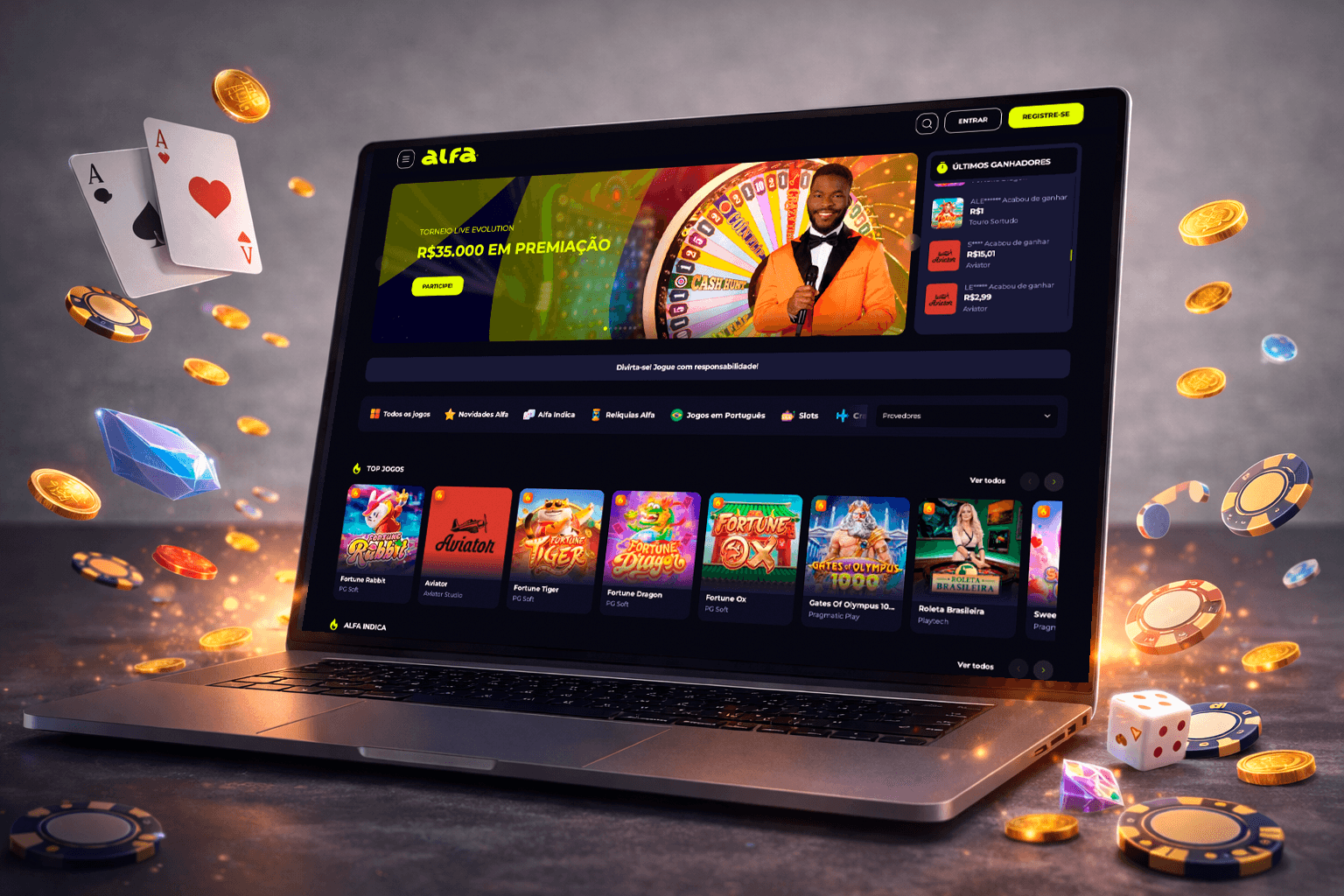
📍CONTEXT / PROBLEM / GOAL
1-Week project • Web • Gaming platform UX optimization
Context
A high-traffic gaming platform designed for long sessions (20–60 minutes), where users browse and interact continuously.
Problem
The platform used a highly saturated blue background (RGB 0, 0, 60), potentially causing visual fatigue over time, leading to:
Reduced session duration
Increased bounce rate
Lower retention
Goal
Reduce visual fatigue and improve engagement metrics without losing brand identity.
🧩 MY ROLE
UX Research
Competitive analysis
Data-driven decisions
UI optimization
🧠 KEY INSIGHTS
Visual fatigue is an invisible churn driver
Users don’t consciously identify fatigue—they associate discomfort with the product itself.
Impact:
↓ Session duration
↓ Return rate
↓ Brand perception
Differentiation can create friction
The platform used a color far outside industry standards in an attempt to stand out.
Impact:
Users experienced higher cognitive and visual load
Industry patterns reflect human physiology, not trends
Competitors converged on low-saturation dark backgrounds due to long-session usability.
Impact:
Ignoring patterns = ignoring proven user comfort
Fatigue compounds over time (15–30 min effect)
Visual strain increases progressively, impacting behavior mid-session.
Impact:
↑ Scroll speed
↓ Focus
↑ Drop-off
📊 EVIDENCES
Competitive RGB analysis showed clustering between 5–35 values
Current platform: RGB (0, 0, 60) → ~200% more saturated than competitors
💡SOLUTIONS
✅ Color saturation optimization
Decision
• Adjusted color from RGB (0, 0, 60) → RGB (13, 18, 31)
• Reduced blue saturation by ~48%
• Maintained brand identity
• Aligned with industry cluster
Impact
✅ Data-driven color positioning
Decision
• Mapped competitor RGB values
• Positioned color within optimal range
• Used contrast + accessibility standards (WCAG AAA)
Impact
↑ Objective design decisions
↑ Usability consistency
✅ UX heuristics applied to visual design
Decision
• Nielsen heuristic #8 (minimalist design)
• Accessibility standards
• Long-session usability principles
Impact
↓ Cognitive load
↑ Task focus
🎨FINAL DESIGN
Before:
High saturation blue → visually intense → tiring over time
After:
Balanced dark blue → subtle → comfortable for long sessions
Shift:
Balancing identity and usability
• Alignment with industry comfort standards
• Preservation of brand differentiation
• Improved accessibility baseline
📈 RESULTS
↑ 15%
↓ 10%
Bounce rate
↑ 10%
Users don’t leave because of bad design. They leave because of invisible friction.
📚 LEARNINGS
• Differentiation should never compromise usability
• Industry patterns often encode real user behavior insights
• Visual comfort is a core UX metric (not just aesthetics)
• Data should guide design—not personal preference